
Kanto Style Kasane Isho Dansu - Meiji Period
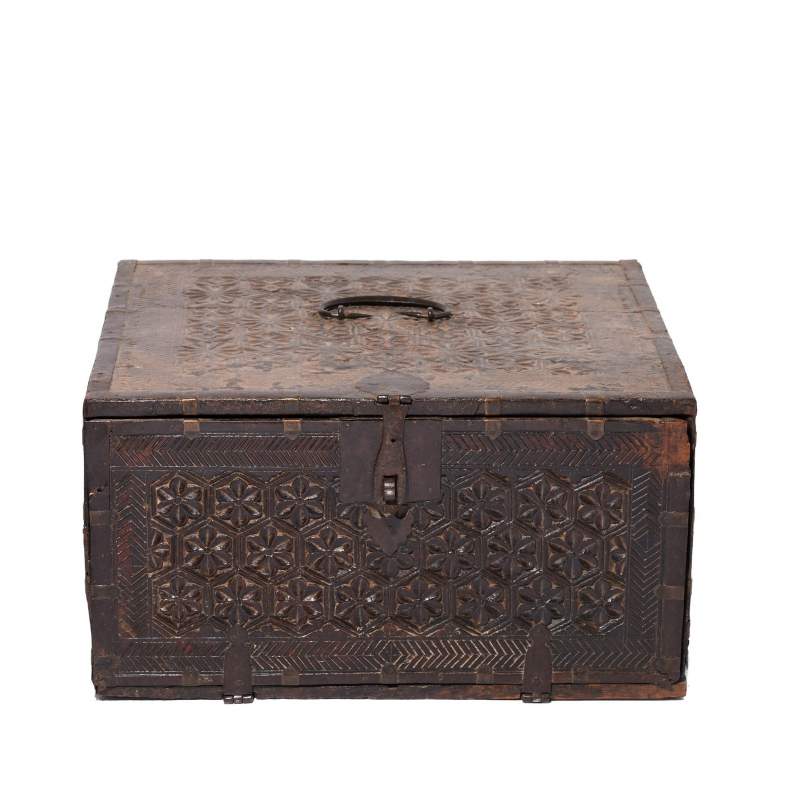
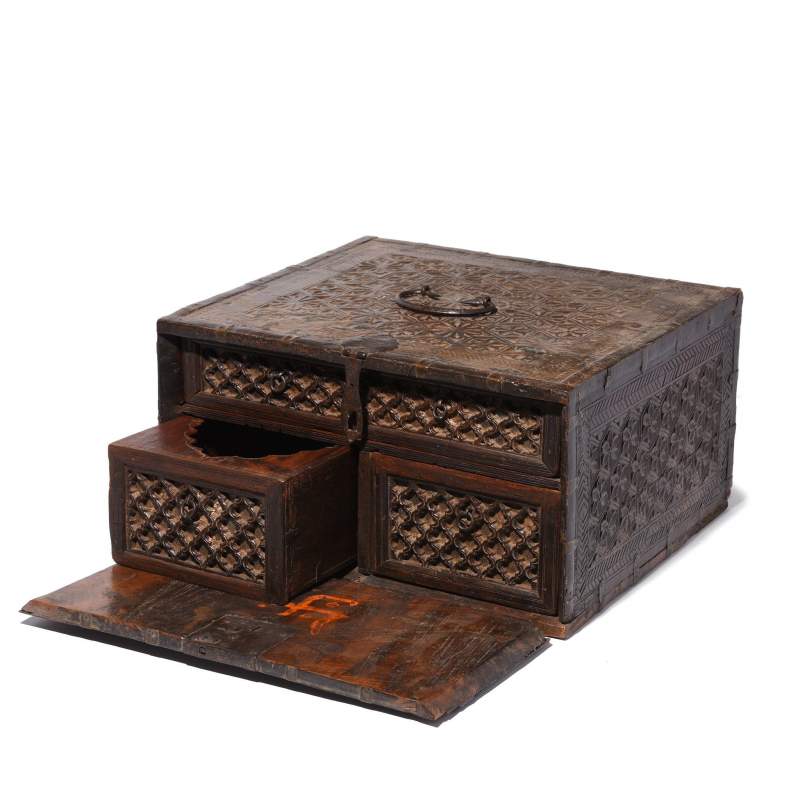
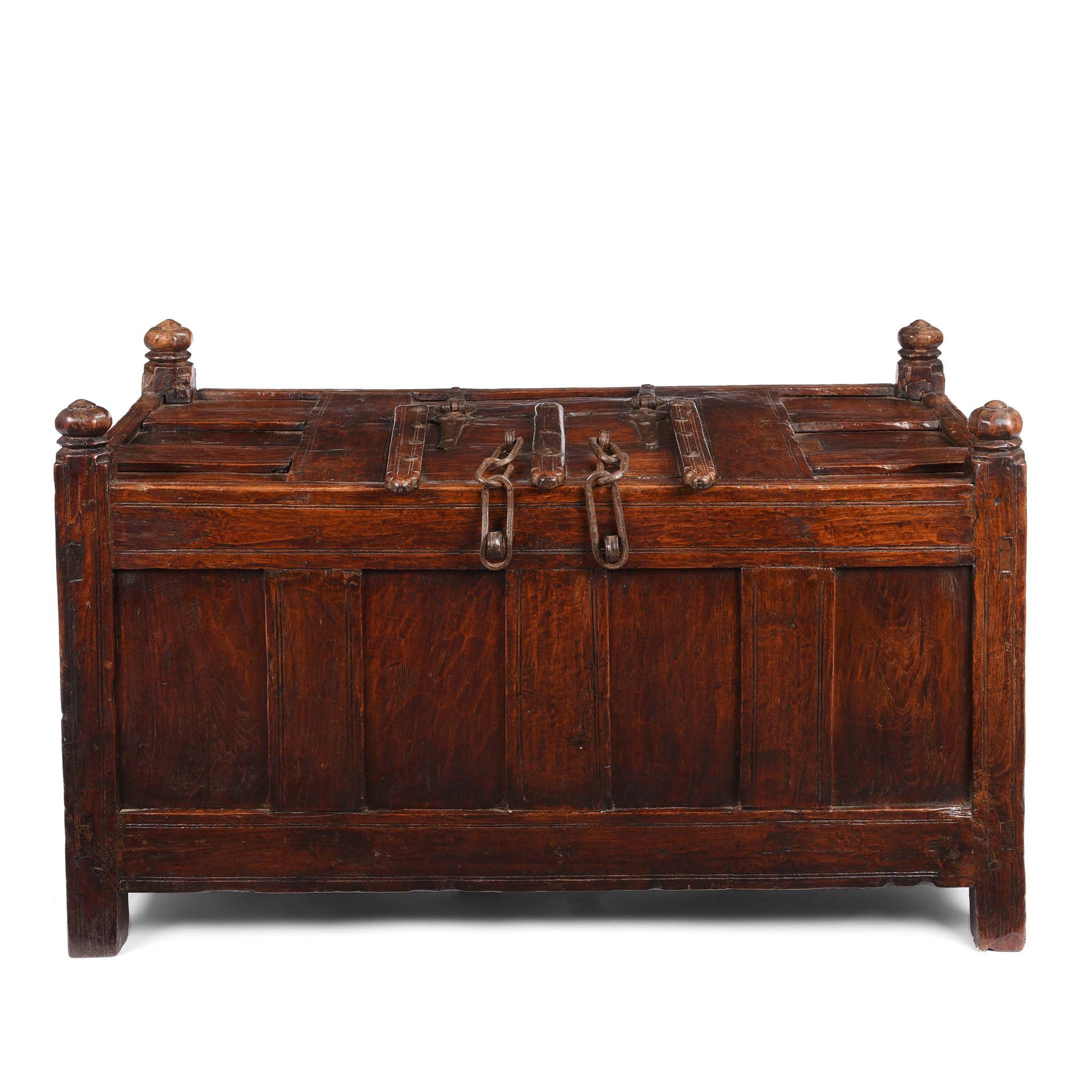
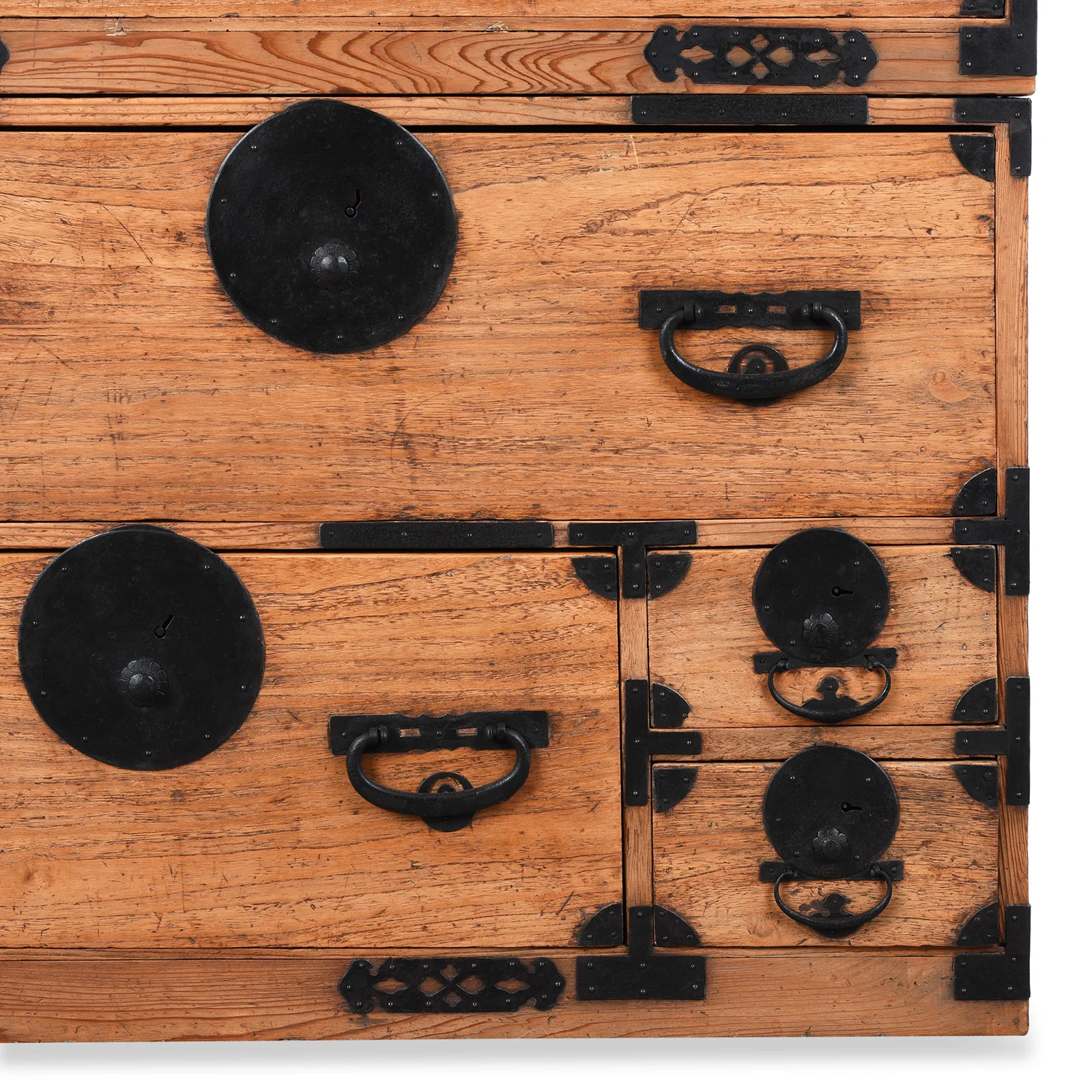
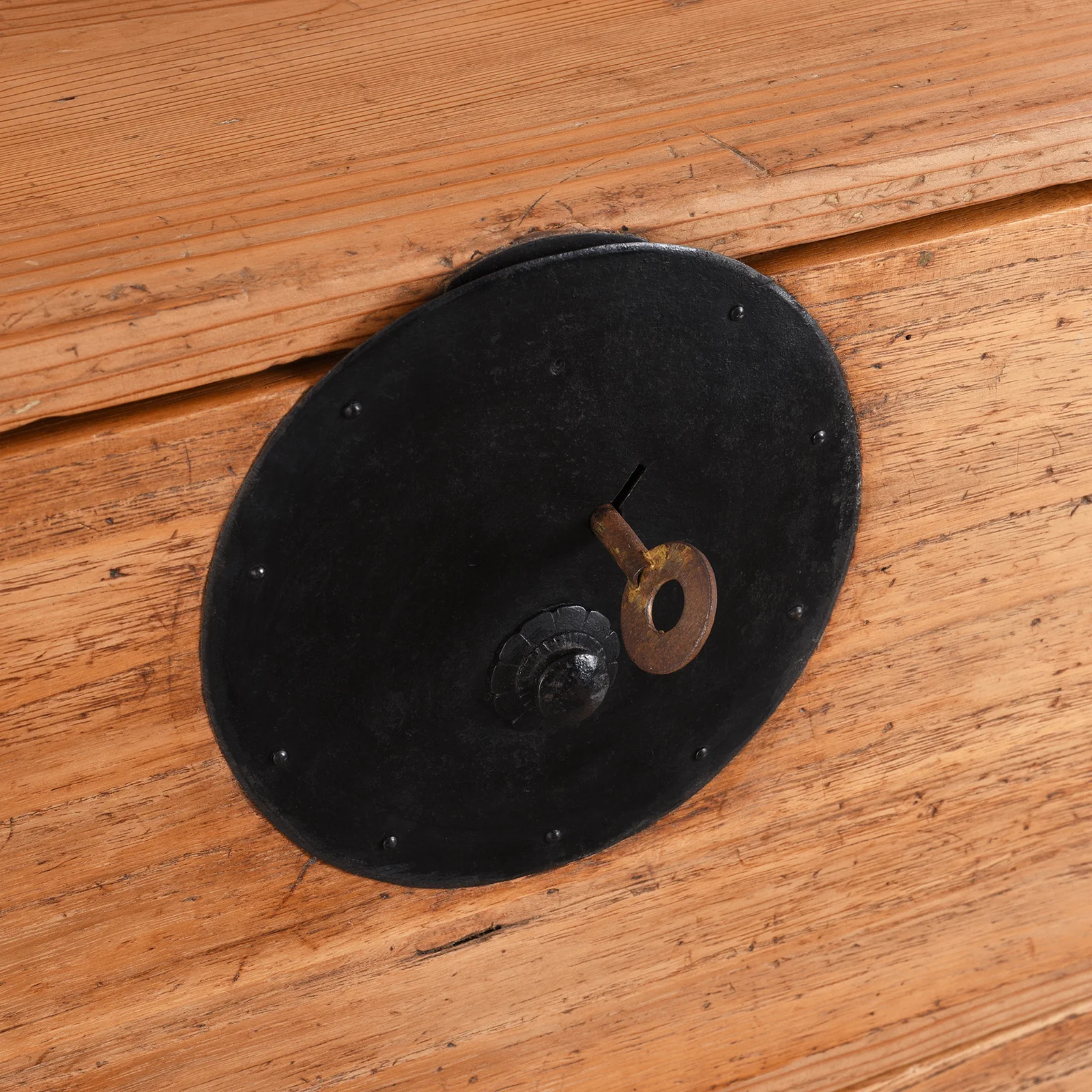
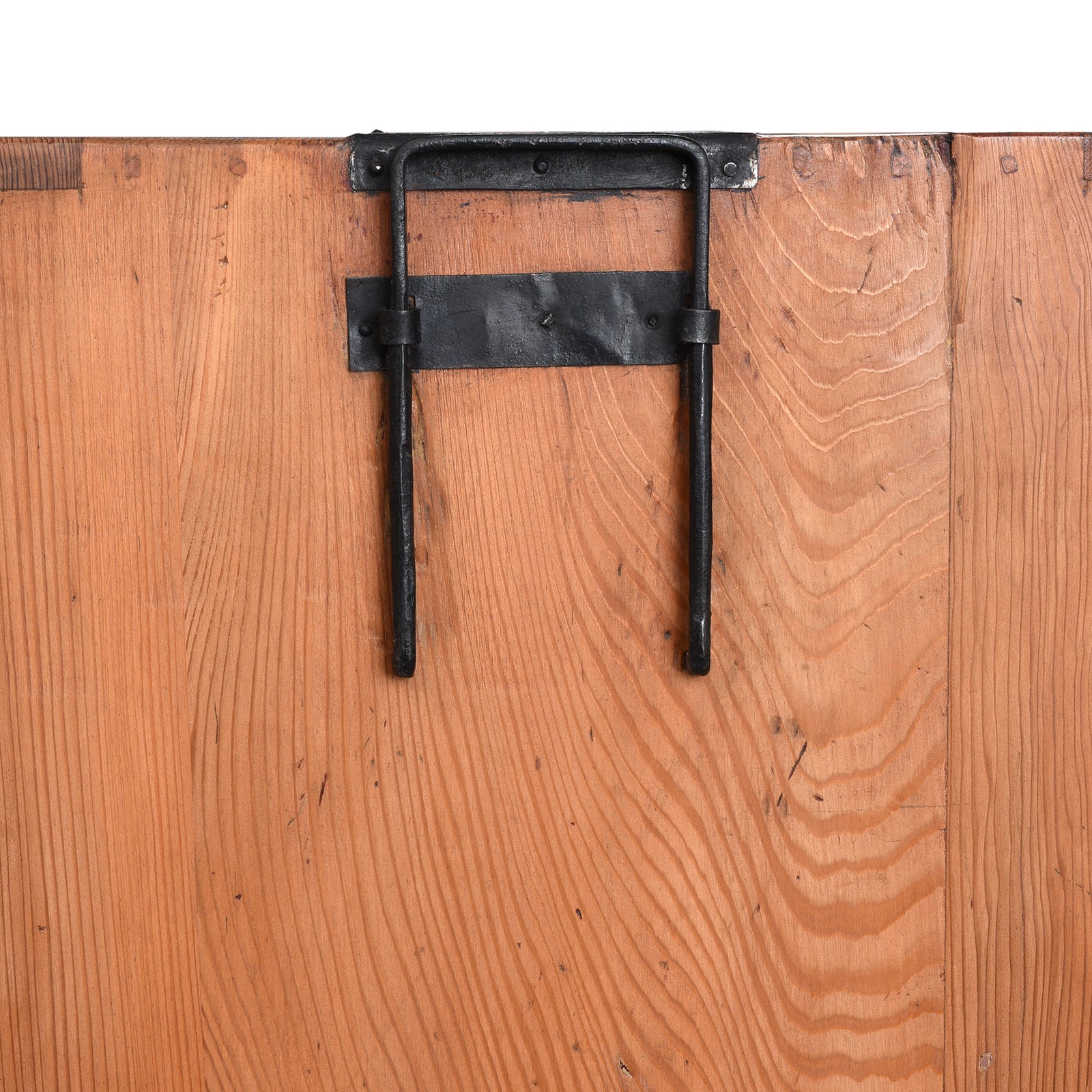
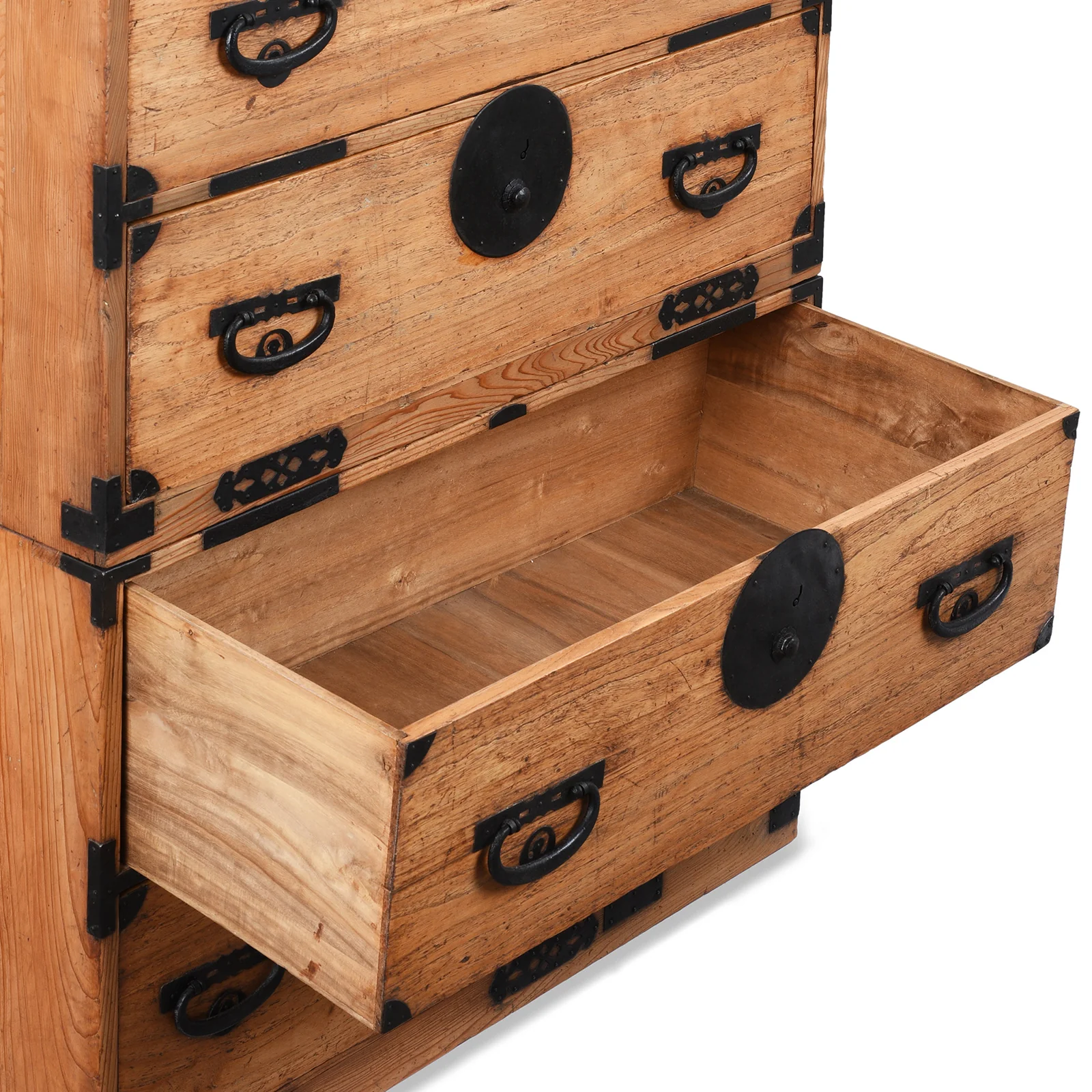
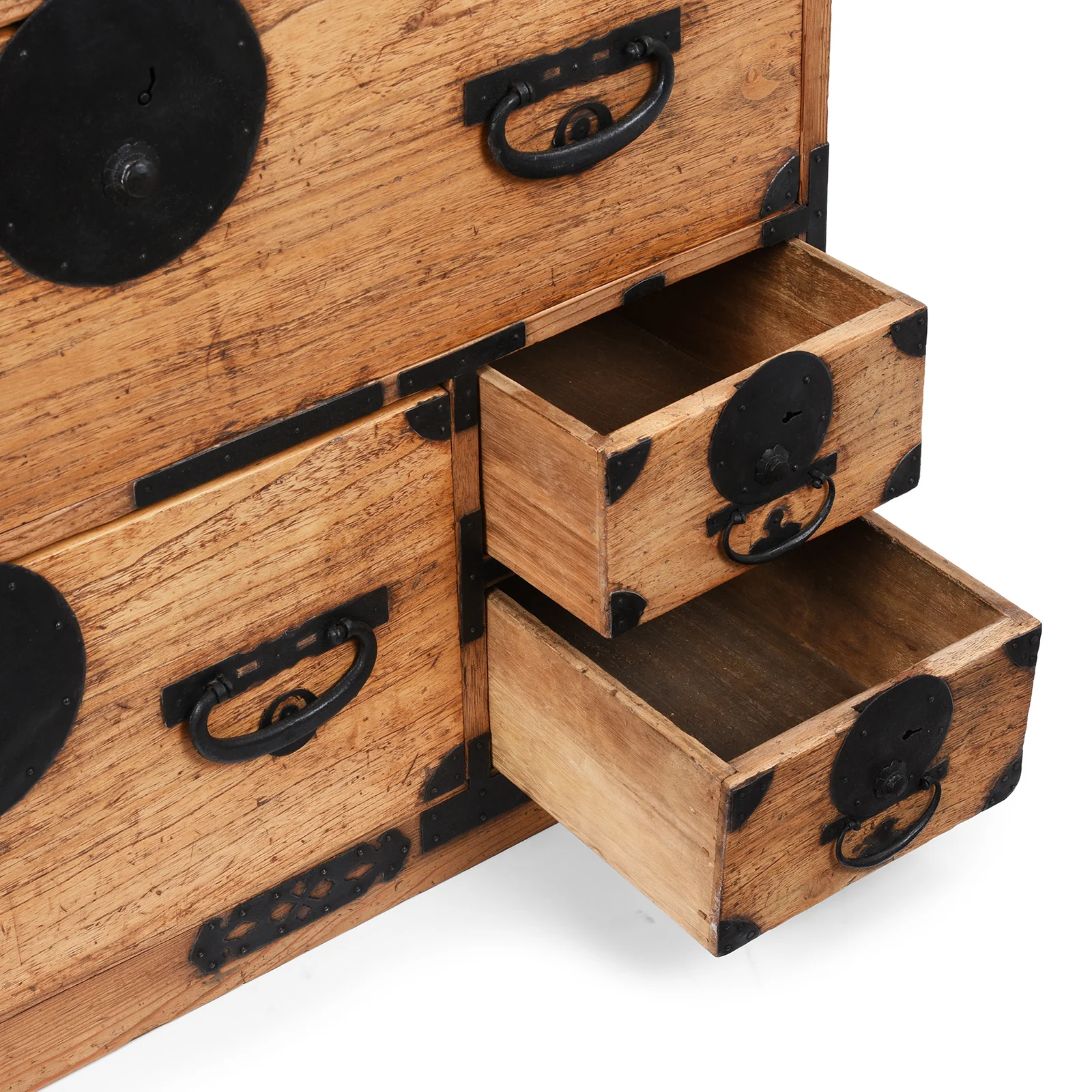
This authentic Japanese Kasane Isho Dansu chest from the Meiji Period (1868€“1912) originates from the Tokyo region / Kanto plain. This chest is crafted from Kiri (paulownia) wood, prized for its light weight, insect resistance, and durability. Isho dansu were traditionally used for storing kimono and personal valuables, this stacked (kasane) tansu chest features its original hand-forged iron hardware, including circular lock plates (kanagu), drawer pulls, and intricate corner brackets, all showcasing the refined metalwork typical of Japanese tansu. Homes usually had one clothing chest for winter clothing and a separate one for summer clothing. Carrying handles allowed these chests to be stored in outhouses when not in use.
The Kanto style came from the Kanto region around Tokyo. Kanto style tansu were popular during the Meiji era and imitated the earlier Edo style. Japanese tastes consider this style of tansu as refined and this style is often referred to as iki (chic). As time went on, the Kanto style spread to be imitated by other areas in Japan.
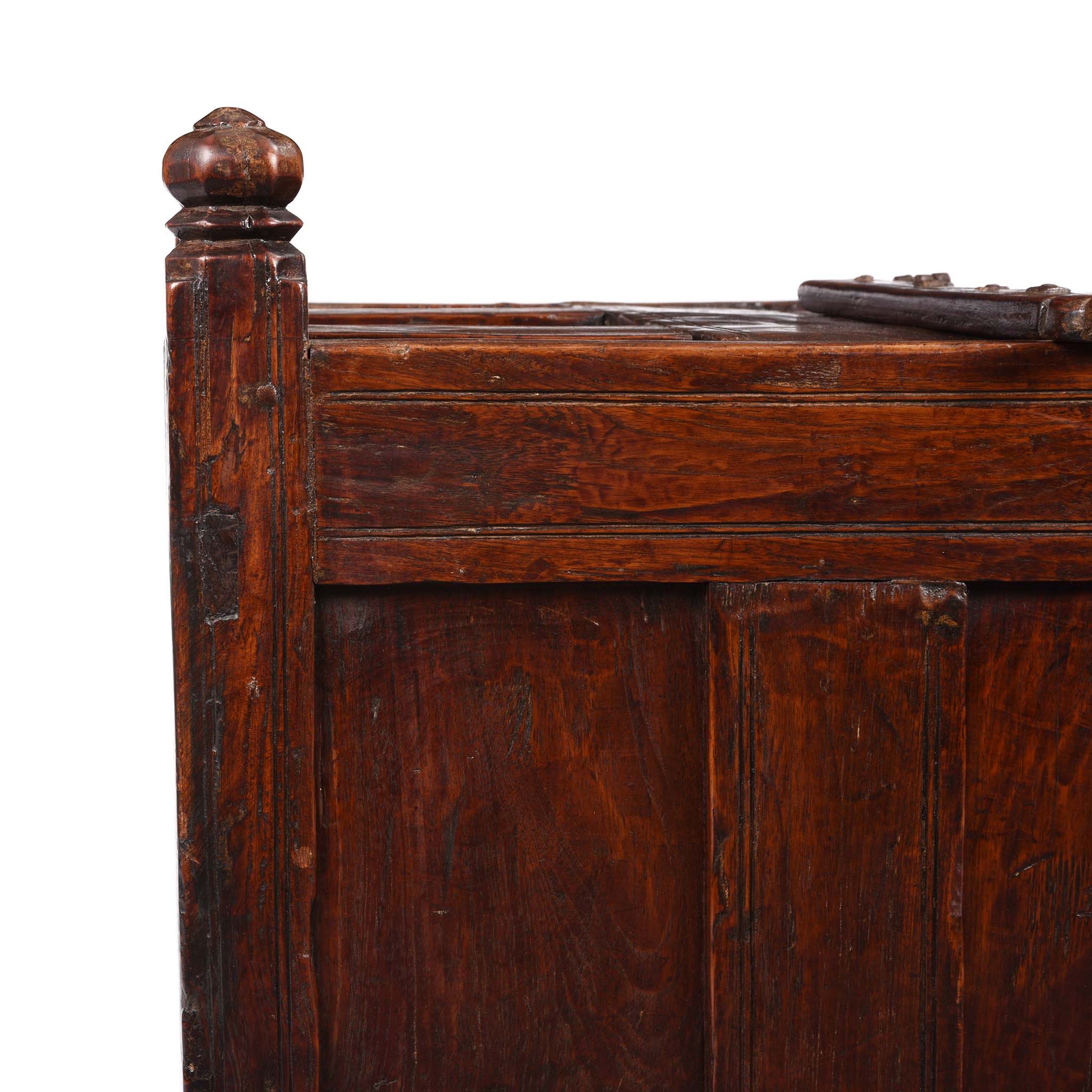
With its warm, natural wood grain, subtle patina, and clean joinery, this piece exemplifies the aesthetics of wabi-sabi and Meiji-era craftsmanship, making it highly desirable for collectors, interior designers, and lovers of authentic Japanese antiques. Ideal as a functional storage piece or decorative focal point, this Kasane Dansu offers a seamless blend of form, function, and history, perfect for traditional and modern interiors alike.
References:
A similar example can be found in Japanese Cabinetry: The Art & Craft of Tansu by Jackson & Owen, page 180.
Original: $3,239.21
-65%$3,239.21
$1,133.72More Images





Kanto Style Kasane Isho Dansu - Meiji Period
This authentic Japanese Kasane Isho Dansu chest from the Meiji Period (1868€“1912) originates from the Tokyo region / Kanto plain. This chest is crafted from Kiri (paulownia) wood, prized for its light weight, insect resistance, and durability. Isho dansu were traditionally used for storing kimono and personal valuables, this stacked (kasane) tansu chest features its original hand-forged iron hardware, including circular lock plates (kanagu), drawer pulls, and intricate corner brackets, all showcasing the refined metalwork typical of Japanese tansu. Homes usually had one clothing chest for winter clothing and a separate one for summer clothing. Carrying handles allowed these chests to be stored in outhouses when not in use.
The Kanto style came from the Kanto region around Tokyo. Kanto style tansu were popular during the Meiji era and imitated the earlier Edo style. Japanese tastes consider this style of tansu as refined and this style is often referred to as iki (chic). As time went on, the Kanto style spread to be imitated by other areas in Japan.
With its warm, natural wood grain, subtle patina, and clean joinery, this piece exemplifies the aesthetics of wabi-sabi and Meiji-era craftsmanship, making it highly desirable for collectors, interior designers, and lovers of authentic Japanese antiques. Ideal as a functional storage piece or decorative focal point, this Kasane Dansu offers a seamless blend of form, function, and history, perfect for traditional and modern interiors alike.
References:
A similar example can be found in Japanese Cabinetry: The Art & Craft of Tansu by Jackson & Owen, page 180.
Product Information
Product Information
Shipping & Returns
Shipping & Returns
Description
This authentic Japanese Kasane Isho Dansu chest from the Meiji Period (1868€“1912) originates from the Tokyo region / Kanto plain. This chest is crafted from Kiri (paulownia) wood, prized for its light weight, insect resistance, and durability. Isho dansu were traditionally used for storing kimono and personal valuables, this stacked (kasane) tansu chest features its original hand-forged iron hardware, including circular lock plates (kanagu), drawer pulls, and intricate corner brackets, all showcasing the refined metalwork typical of Japanese tansu. Homes usually had one clothing chest for winter clothing and a separate one for summer clothing. Carrying handles allowed these chests to be stored in outhouses when not in use.
The Kanto style came from the Kanto region around Tokyo. Kanto style tansu were popular during the Meiji era and imitated the earlier Edo style. Japanese tastes consider this style of tansu as refined and this style is often referred to as iki (chic). As time went on, the Kanto style spread to be imitated by other areas in Japan.
With its warm, natural wood grain, subtle patina, and clean joinery, this piece exemplifies the aesthetics of wabi-sabi and Meiji-era craftsmanship, making it highly desirable for collectors, interior designers, and lovers of authentic Japanese antiques. Ideal as a functional storage piece or decorative focal point, this Kasane Dansu offers a seamless blend of form, function, and history, perfect for traditional and modern interiors alike.
References:
A similar example can be found in Japanese Cabinetry: The Art & Craft of Tansu by Jackson & Owen, page 180.