Indian Opium Container -19th Century
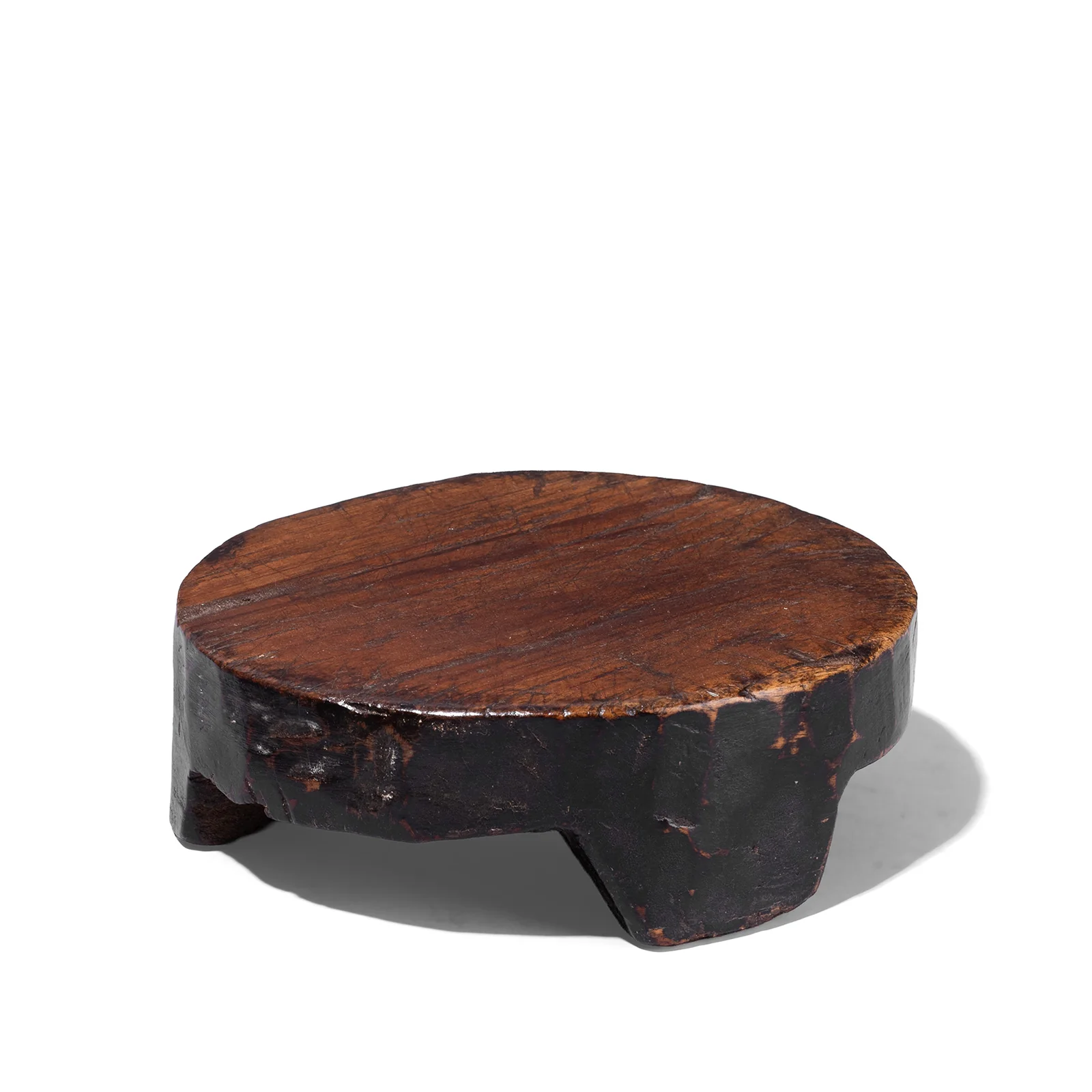
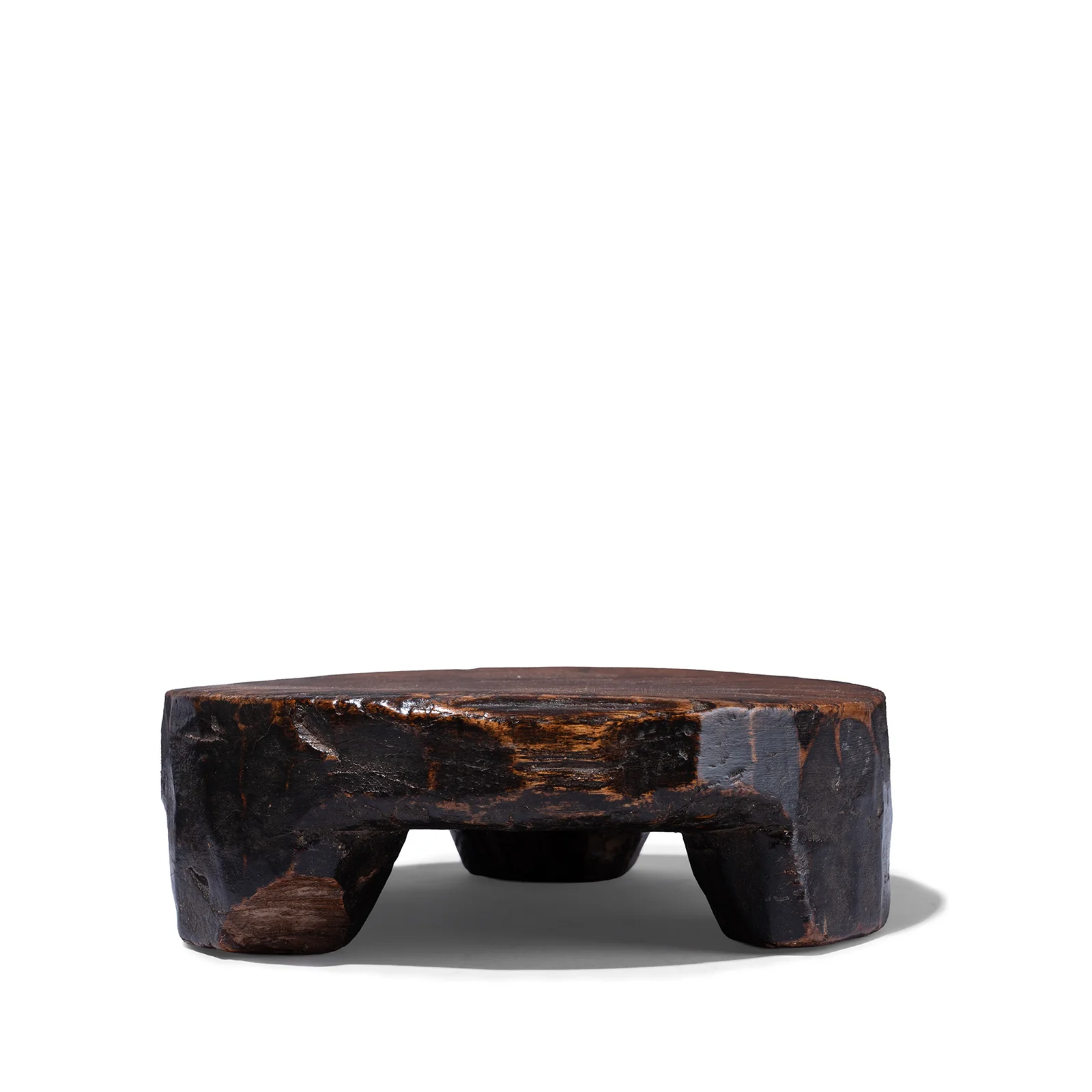
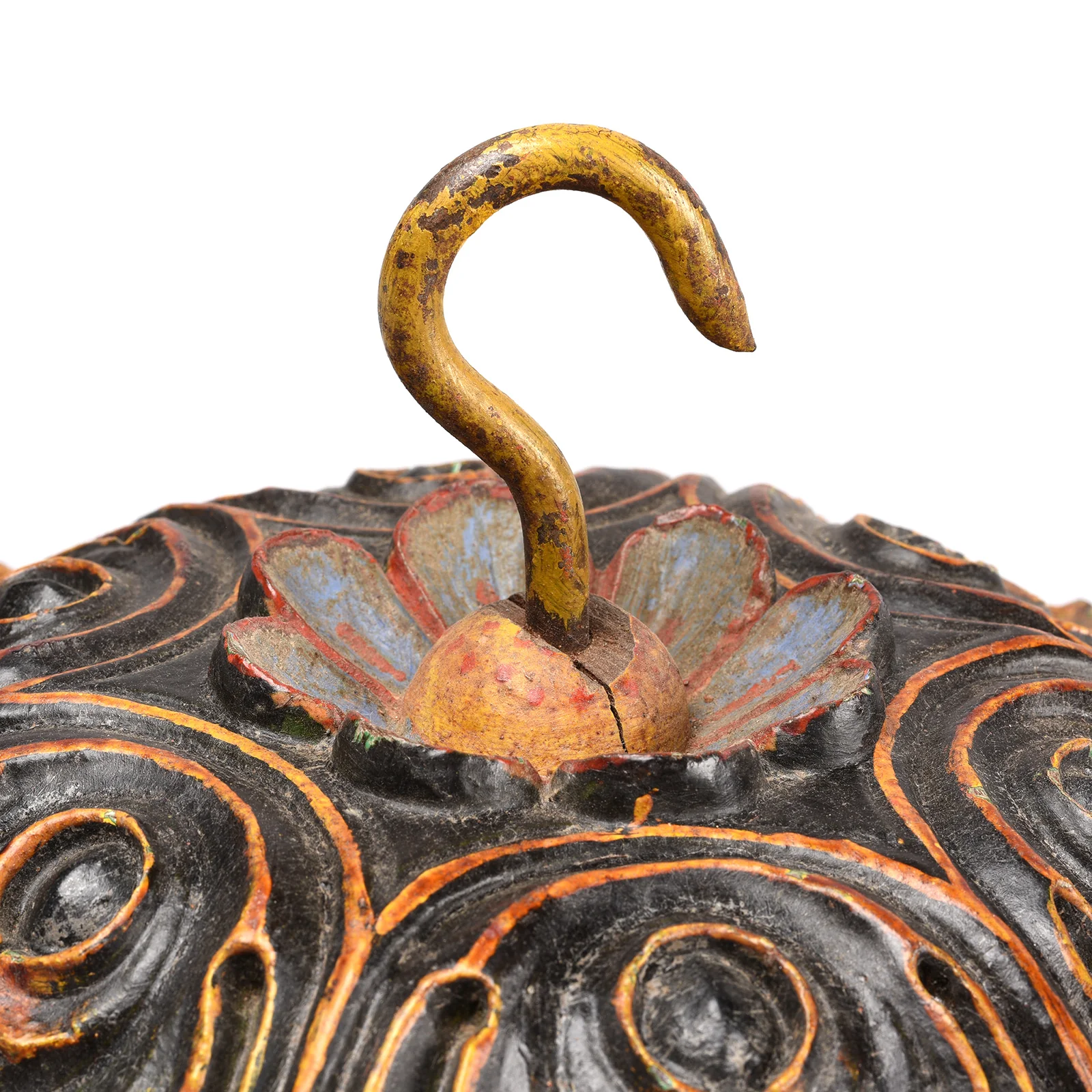
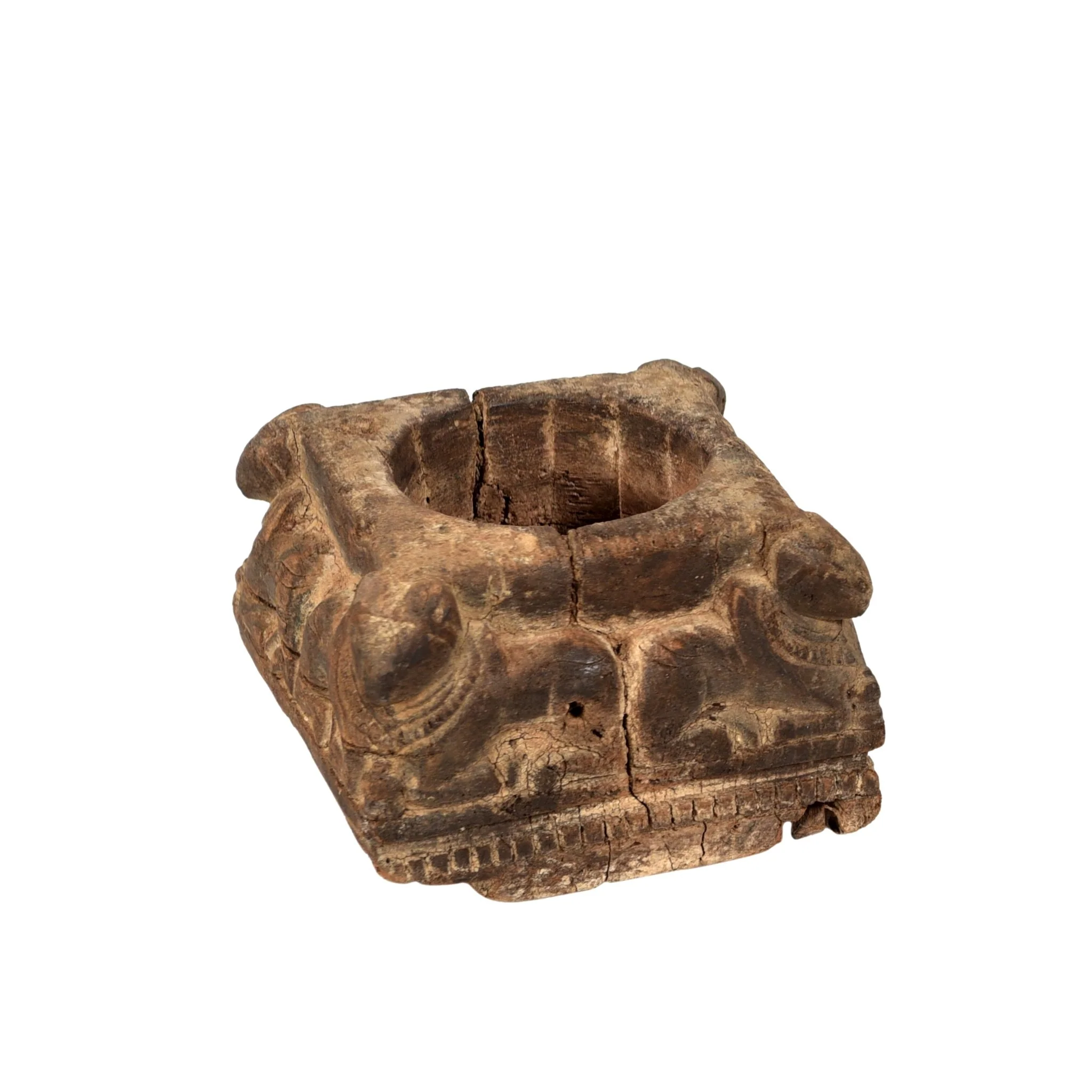
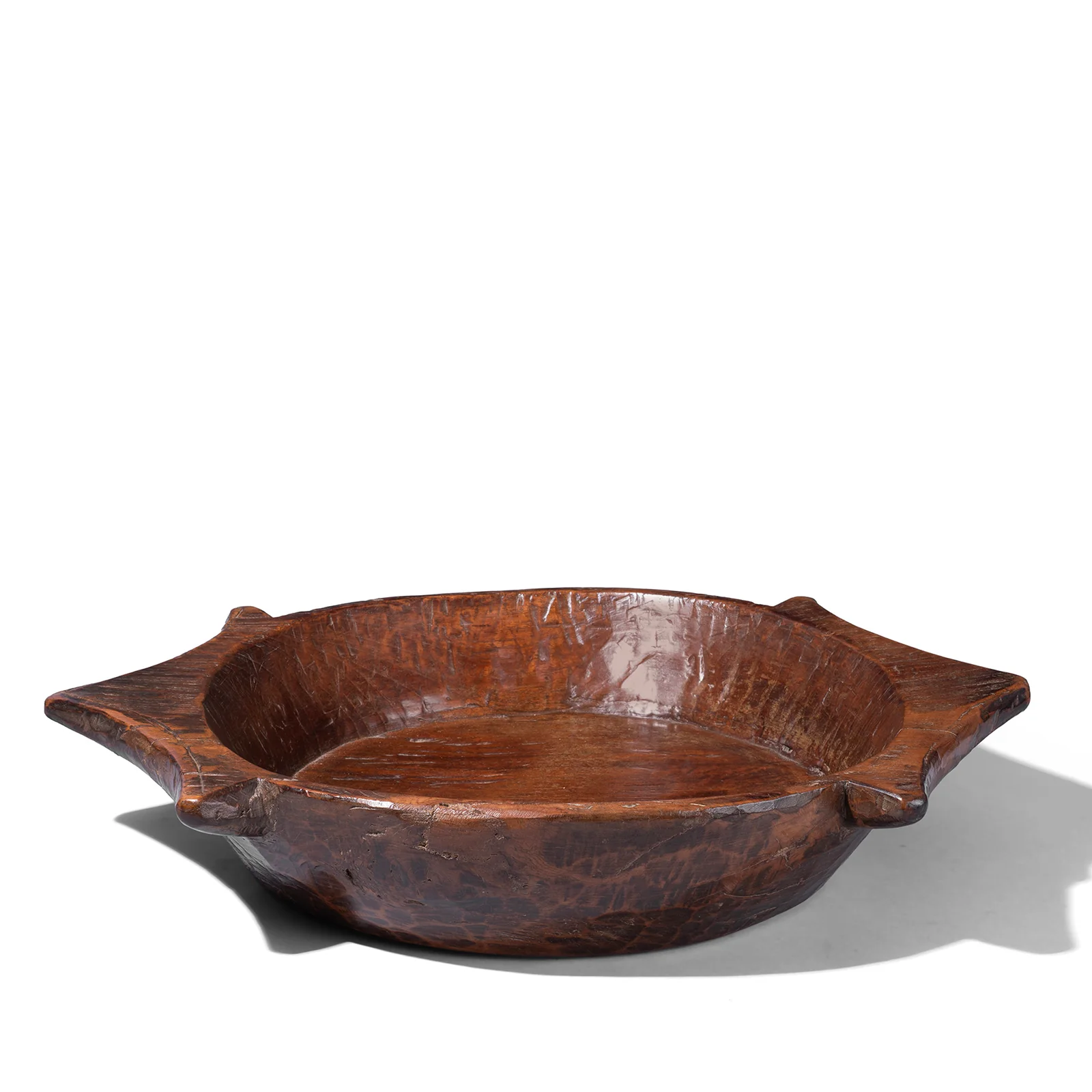
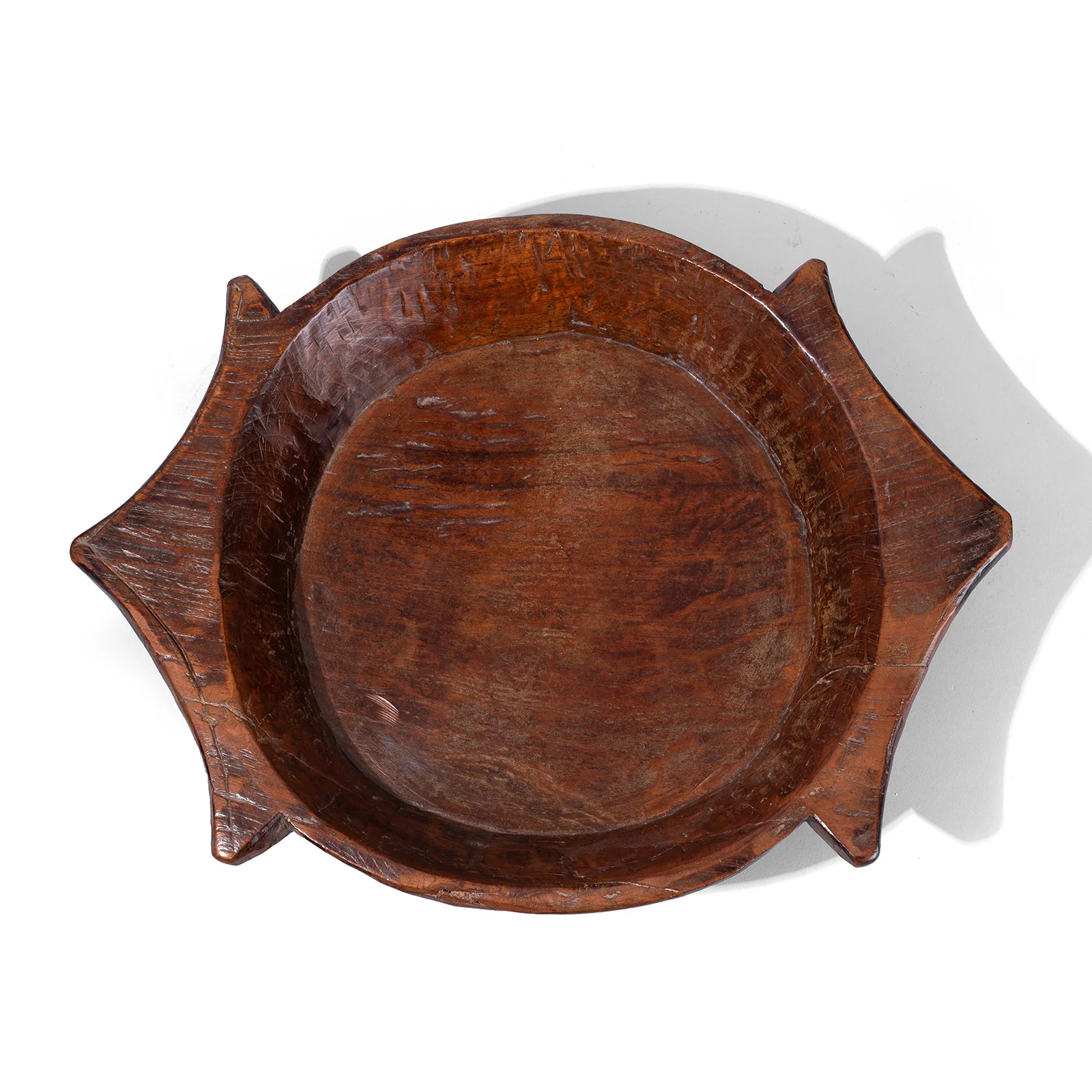
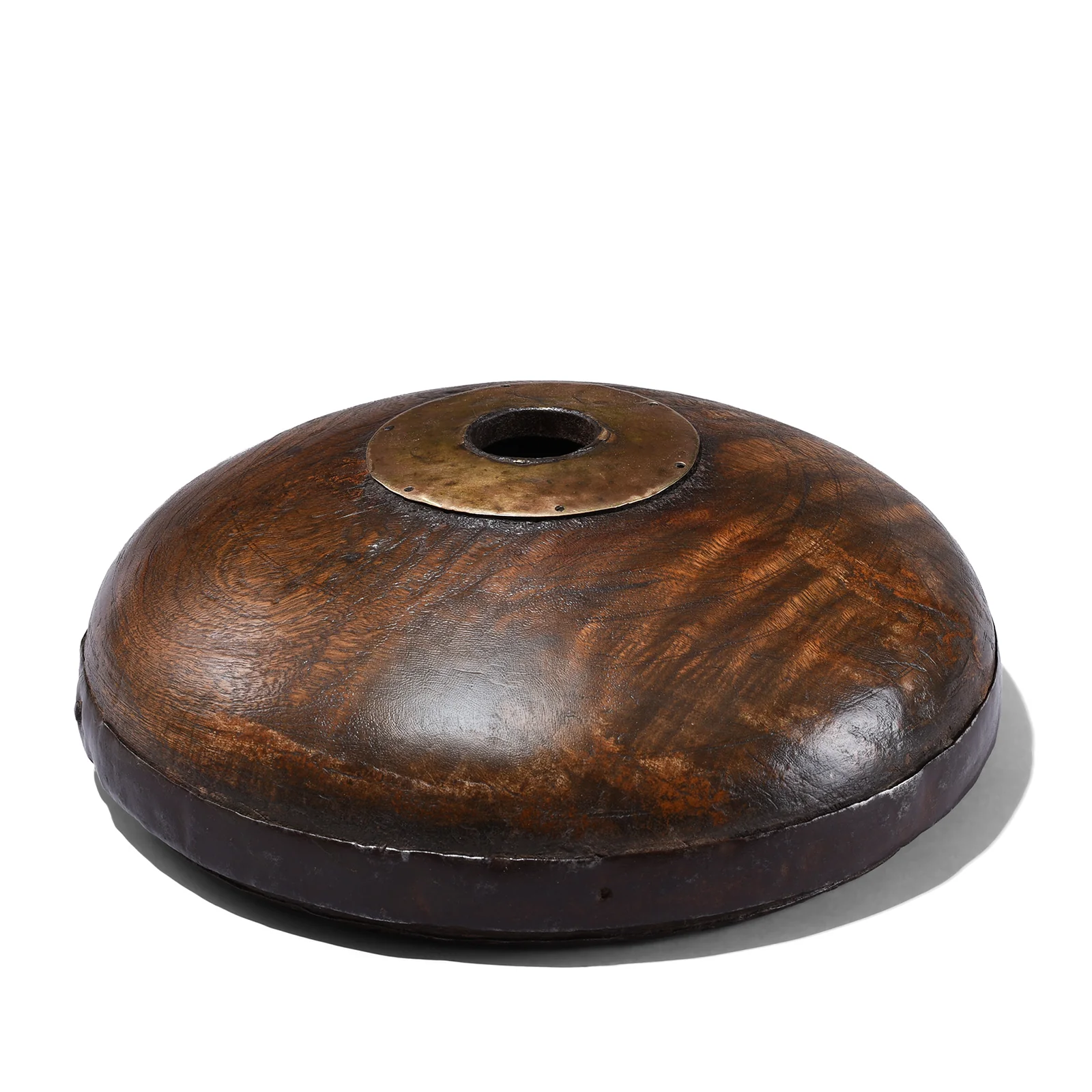
This 19th century opium container from Rajasthan is carved from a single piece of Roheda wood (Tecomella undulata), a native species of the Thar Desert also known as Marwar teak. Fitted with a brass rimmed opening, it once served as a portable vessel for storing opium or tobacco, used by desert caravan traders to ease the fatigue and monotony of long journeys.
With its deep patina, timeworn surface, and tactile form, the piece embodies both cultural heritage and rugged elegance. These vessels are closely tied to the long-standing ritual and medicinal use of opium in Rajasthan - a tradition that, while diminished, still surfaces during ceremonial occasions today.
- Origin: Rajasthan, India
- Date: 19th century
- Materials: Roheda (Tecomella undulata) wood, iron, metal
- Features: Carved from a single piece of wood, brass banding, central metal-rimmed opening
- Condition: Age-worn surface with rich patina; structurally intact
- Dimensions: W28 x D28 x H10 cm
Original: $116.07
-65%$116.07
$40.62More Images


Indian Opium Container -19th Century
This 19th century opium container from Rajasthan is carved from a single piece of Roheda wood (Tecomella undulata), a native species of the Thar Desert also known as Marwar teak. Fitted with a brass rimmed opening, it once served as a portable vessel for storing opium or tobacco, used by desert caravan traders to ease the fatigue and monotony of long journeys.
With its deep patina, timeworn surface, and tactile form, the piece embodies both cultural heritage and rugged elegance. These vessels are closely tied to the long-standing ritual and medicinal use of opium in Rajasthan - a tradition that, while diminished, still surfaces during ceremonial occasions today.
- Origin: Rajasthan, India
- Date: 19th century
- Materials: Roheda (Tecomella undulata) wood, iron, metal
- Features: Carved from a single piece of wood, brass banding, central metal-rimmed opening
- Condition: Age-worn surface with rich patina; structurally intact
- Dimensions: W28 x D28 x H10 cm
Product Information
Product Information
Shipping & Returns
Shipping & Returns
Description
This 19th century opium container from Rajasthan is carved from a single piece of Roheda wood (Tecomella undulata), a native species of the Thar Desert also known as Marwar teak. Fitted with a brass rimmed opening, it once served as a portable vessel for storing opium or tobacco, used by desert caravan traders to ease the fatigue and monotony of long journeys.
With its deep patina, timeworn surface, and tactile form, the piece embodies both cultural heritage and rugged elegance. These vessels are closely tied to the long-standing ritual and medicinal use of opium in Rajasthan - a tradition that, while diminished, still surfaces during ceremonial occasions today.
- Origin: Rajasthan, India
- Date: 19th century
- Materials: Roheda (Tecomella undulata) wood, iron, metal
- Features: Carved from a single piece of wood, brass banding, central metal-rimmed opening
- Condition: Age-worn surface with rich patina; structurally intact
- Dimensions: W28 x D28 x H10 cm